Because Work Trucks Don’t Take Days Off
Medium-duty it towing’s middle ground. It sits smack in the middle between light roadside tows and heavy recovery work. We deal with vehicles that work for a living and carry real weight, like box trucks, delivery vans, and service trucks. These vehicles need a different approach than a sedan or pickup because of their size, height, and load distribution. That difference matters the moment something goes wrong on the road. When we talk about Ashland delivery van towing, we are talking about keeping businesses moving.
A stalled van means blocked lanes, delayed routes, frustrated drivers, and disrupts schedules. In the first moments of a breakdown, the right response keeps the situation from spiraling into a longer shutdown.
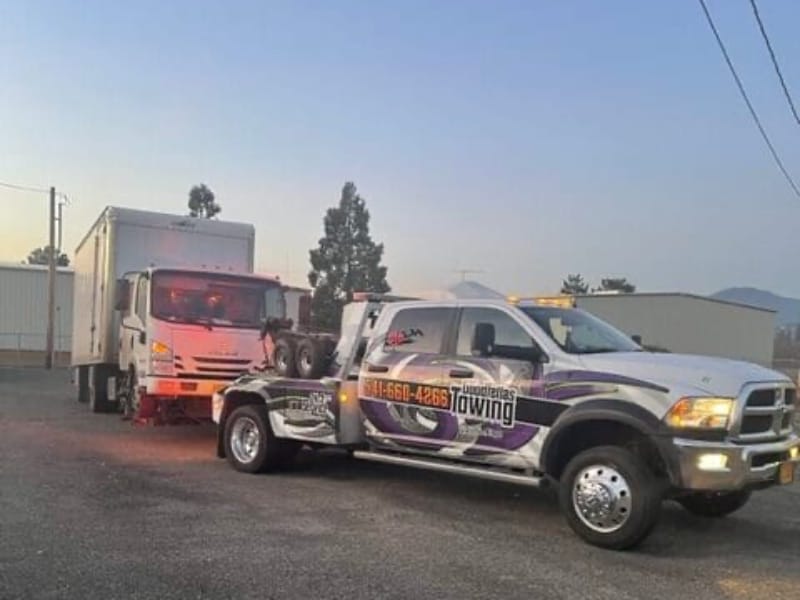
Box Trucks: Built to Haul, Not to Be Towed
Box trucks bring their own set of challenges. Their tall frames catch wind, their cargo shifts weight, and their longer wheelbases demand careful loading. We approach box truck tows with planning first, not guesswork. Weight balance and clearance come before movement.
A box truck loaded with packages or equipment cannot be treated like an empty vehicle. Even during delivery van towing calls that involve box-style vans, we take time to check the load condition. A controlled tow keeps the vehicle stable and avoids damage that could cost more than the original breakdown.
Delivery Vans: Tight Schedules and Tight Spaces
Delivery vans live on deadlines. When one stops running, the pressure is immediate. Timing matters just as much as location. These vans operate in parking lots, alleys, and residential streets, so access can be limited.
We focus on getting in and out cleanly. That means positioning correctly, keeping traffic moving, and securing the van so it arrives exactly as it left. We also account for roof height and rear overhang, which can change how a van responds during transport.
Work Trucks: Tools on Wheels
Work trucks often carry the tools that keep jobs going. From utility bodies to service racks, every add-on changes how the truck should be handled. We treat each setup as its own case rather than assuming one method fits all.
Common Situations That Call for Medium-Duty Towing
Medium-duty towing usually comes into play during everyday working conditions when work vehicles are still in the middle of doing their job. We often get the call for engine failures that happen mid-route, transmission trouble caused by carrying weight all day, brake problems on heavier vehicles, accidents involving delivery or service trucks, and mechanical shutdowns that happen in tight commercial areas where space is limited. Any one of these situations can turn expensive fast if it is mishandled, which is why Ashland delivery van towing calls demand experience with working vehicles rather than a one-size-fits-all approach to towing.
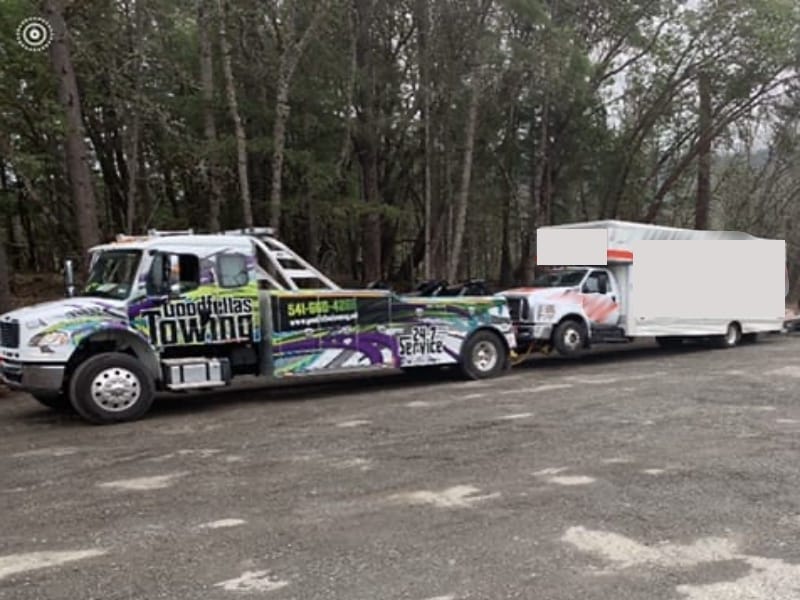
Goodfellas Towing: Ashland Delivery Van Towing To Keep Your Truck Moving!
At Goodfellas Towing, we handle Ashland delivery van towing with a clear focus on reliability and consistency. We know these vehicles are part of someone’s daily operation, not weekend transportation. Our medium-duty towing covers box trucks, delivery vans, and work trucks that need thoughtful handling from pickup to drop-off.
We provide Ashland delivery van towing for local routes, commercial breakdowns, and roadside issues that stop work in its tracks. Our team approaches every job with attention to vehicle setup, load condition, and destination needs. When businesses call us for Ashland delivery van towing, they know we are there to keep downtime from stretching longer than it has to.
Medium-duty towing is about more than moving a vehicle. It is about keeping work flowing, routes running, and crews on schedule. For Ashland delivery van towing, box trucks, and work trucks, we show up ready to do the job the right way.
FAQ
What types of vehicles fall under medium-duty towing?
Medium-duty towing usually applies to larger work vehicles that are too heavy for standard roadside tows but not large enough to be classified as heavy-duty. This commonly includes box trucks, delivery vans, service trucks, and utility vehicles built on reinforced frames.
How is medium-duty towing different from light-duty towing?
The main difference comes down to vehicle weight, size, and balance. Medium-duty vehicles sit higher, carry more weight, and often have longer wheelbases. That changes how they need to be secured and transported compared to passenger cars or pickup trucks.
Can a loaded work vehicle be towed without unloading it first?
In many cases, yes, but it depends on how the vehicle is loaded and where the weight sits. A towing operator will assess balance and stability before moving the vehicle. Improper weight distribution can affect control during transport.
What causes medium-duty vehicles to break down most often?
These vehicles spend long hours on the road under constant load. Common issues include drivetrain wear, brake fatigue, overheating, and transmission strain. Frequent stop-and-go driving can speed up wear compared to personal vehicles.
Is medium-duty towing suitable for tight or crowded areas?
Yes, but it requires careful positioning and planning. Commercial areas, loading zones, and narrow streets demand precise placement to avoid blocking traffic or causing additional damage during recovery.
What should drivers do immediately after a breakdown?
The first step is to move to a safe position if possible and secure the area with hazard lights. Drivers should avoid attempting to move a disabled work vehicle without guidance, especially if it is loaded or sitting unevenly.